
US Packaging EPR Has Arrived at the Paper Cup: Who Pays, and How to Cut the Bill
For years, extended producer responsibility in the United States was a policy argument. This month it became an invoice. In mid-October 2026, a federal appeals court was weighing the constitutional challenge to Oregon’s packaging EPR law while a disposable cup and tableware manufacturer’s own lawsuit sat on hold behind it. In California, the permanent SB 54 regulations are in force and producers are registering. For anyone importing paper cups, bowls and lids into the US, the question is no longer whether EPR applies. It is who in the supply chain pays, and how the design of the cup changes the number.
The news in short
- Oregon: a federal judge upheld the state’s packaging EPR law in August 2026. The constitutional challenge has moved to the appeals court, and a separate suit brought by disposable tableware maker Lollicup was put on hold in mid-October while that broader case is decided.
- California: the permanent SB 54 regulations took effect in May 2026, with producer registration required by 1 June 2026. The state’s EPR programme budget has been projected to exceed $9 billion over five years.
- Cost allocation is the live fight: in the third week of October, trade press was examining who pays across the fresh produce supply chain, with brands, importers and distributors arguing over where the fee should land.
- Eco-modulation: several state programmes adjust fees by material, recyclability and recycled content — which means the specification of a cup, not just its volume, moves the bill.
- The obligated party is usually the brand or importer: the factory in China supplies data and materials; the entity placing the packaged product on the US market carries the reporting and fee obligation.
The news in one paragraph
Oregon’s Recycling Modernization Act survived its first serious court test in August 2026, when a federal judge rejected arguments that the law violates the Constitution. An appeal is now running, and in mid-October Plastics News reported that a separate lawsuit filed by Lollicup — the company behind the Karat disposable tableware brand — had been put on hold while the appeals court considers the wider case brought by the National Association of Wholesaler-Distributors. California’s SB 54 is further along, with permanent regulations in force since May and producer registration since June. The practical significance is not the courtroom drama. It is that packaging EPR in the US has moved from legislation into fee schedules, reporting portals and contract negotiations — and disposable foodservice packaging is squarely inside the scope.
Why EPR reached the disposable cup now
Three forces converged. First, states needed a funding mechanism for recycling infrastructure that municipal budgets could no longer carry, and packaging is the most visible, most measurable stream to charge. Second, the legal definition of a “producer” was written to catch brands and importers rather than only domestic manufacturers, which is why a paper cup printed in Anhui but sold under a US brand is in scope. Third, the programmes adopted eco-modulation — fees that vary with how recyclable or compostable a package is — which turned packaging design into a line item with a dollar value.
That third point is the one most buyers underestimate. A cup is not just a cup on an EPR return. It is a specified weight of paperboard, a barrier layer, a lid in a different material class, and a print finish. Each of those attributes can push a SKU into a different fee band.
Where the states stand
The US does not have one EPR programme. It has a patchwork, and the patchwork is the compliance burden. The table below summarises the position of the main packaging EPR states as of October 2026; fee schedules and reporting rules continue to change.
| State | Where it stands | What it means for a cup importer |
|---|---|---|
| Oregon | Law upheld, appeal live Federal judge upheld the Recycling Modernization Act in August 2026; Lollicup’s suit on hold pending appeal. | Register and report while the appeal runs. A court win for the state would not retroactively remove the data obligations you should already be building. |
| California | Fees landing SB 54 permanent regulations effective May 2026; producer registration required by 1 June 2026. | The largest programme by revenue and the most detailed reporting. Expect SKU-level data requests on material and weight. |
| Colorado | Implementation Producer responsibility organisation plan submitted; programme build-out continuing. | Early reporting discipline now avoids a scramble when invoicing begins. |
| Maine | Delayed Implementation has slipped, with the state’s EPR request for proposals drawing no bidders in August 2026. | Delay is not repeal. Keep the SKU data set current. |
| Minnesota | Build-out Packaging EPR law enacted, with programme design and reporting rules still developing. | Watch the producer definition — it determines whether your importer or your brand is the obligated party. |
| Washington | PRO appointed Circular Action Alliance selected as the producer responsibility organisation in 2026. | Reporting infrastructure will consolidate around one PRO, which makes data standardisation more valuable. |
What a cup’s design does to its EPR bill
| Design decision | What changes on the EPR return | Likely fee direction |
|---|---|---|
| PE liner → repulpable water-based coating | The fibre body becomes easier to process in paper streams | Down, where recognised |
| Plastic lid → fibre or die-cut lid | Removes a separate plastic component from the report | Down / simpler |
| Heavier board grade → right-sized gsm | Less obligated tonnage per case | Down |
| Recycled plastic lids with certified PCR | Recycled-content credit, if the scheme offers one | Down, if documented |
| Multi-material laminate or mixed lining | Harder to sort; lower recyclability score | Up |
| Unverified “compostable” claim | No credit without recognised certification | No change, added risk |

The courtroom fight, and what importers should take from it
The Oregon appeal is worth watching for two reasons. If the state prevails, EPR becomes a settled feature of the US packaging market and the remaining states will move with more confidence. If the challengers prevail on constitutional grounds, the programme’s structure could change — but the underlying political demand for producer funding will not disappear. Either way, the data obligations are already real: producers have been registering and reporting while the litigation runs.
There is also a narrower lesson in Lollicup’s involvement. A disposable cup and tableware business is not a bystander in this fight; it is a direct participant. For importers, that is a reminder that packaging EPR is not an abstract sustainability programme owned by the legal department. It reaches the purchase order, the specification sheet and the per-unit cost model.
Seven things to fix before your 2027 contracts
- SKU-level material weights. Board grammage, coating weight, lid weight and outer-carton weight, per unit and per case — not a single average across the range.
- Material composition statements. Resin type for lids, coating chemistry for the cup body, and the percentage of each component by weight.
- Recyclability evidence. Repulpability or recyclability test data where you intend to claim an eco-modulated rate, together with the testing standard used.
- Certification references. FSC or PEFC certificate numbers for board, and recognised composting certificates where a compostable claim is made.
- A contractual EPR clause. Decide in writing whether packaging data is supplied within a set number of days, and who bears the fee if a SKU is misreported.
- A single data owner. One person on the importer side and one on the supplier side responsible for keeping the SKU data set current when a specification changes.
- A change log tied to print files. When a cup’s weight, coating or lid changes, the EPR data and the artwork should be updated in the same release.
What to watch next
Three things will move the numbers in the next two quarters: the Oregon appeals court’s ruling, the first full fee cycles under California’s SB 54, and the reporting rules still being finalised in Minnesota and Colorado. The direction of travel is consistent — more states, more SKU-level data, and more fee differentiation by design.
For buyers, that argues for treating packaging data as part of the product, not as an annual administrative exercise. The suppliers who can answer a fee questionnaire in 48 hours will keep winning the accounts that need it.
About Conler Papers
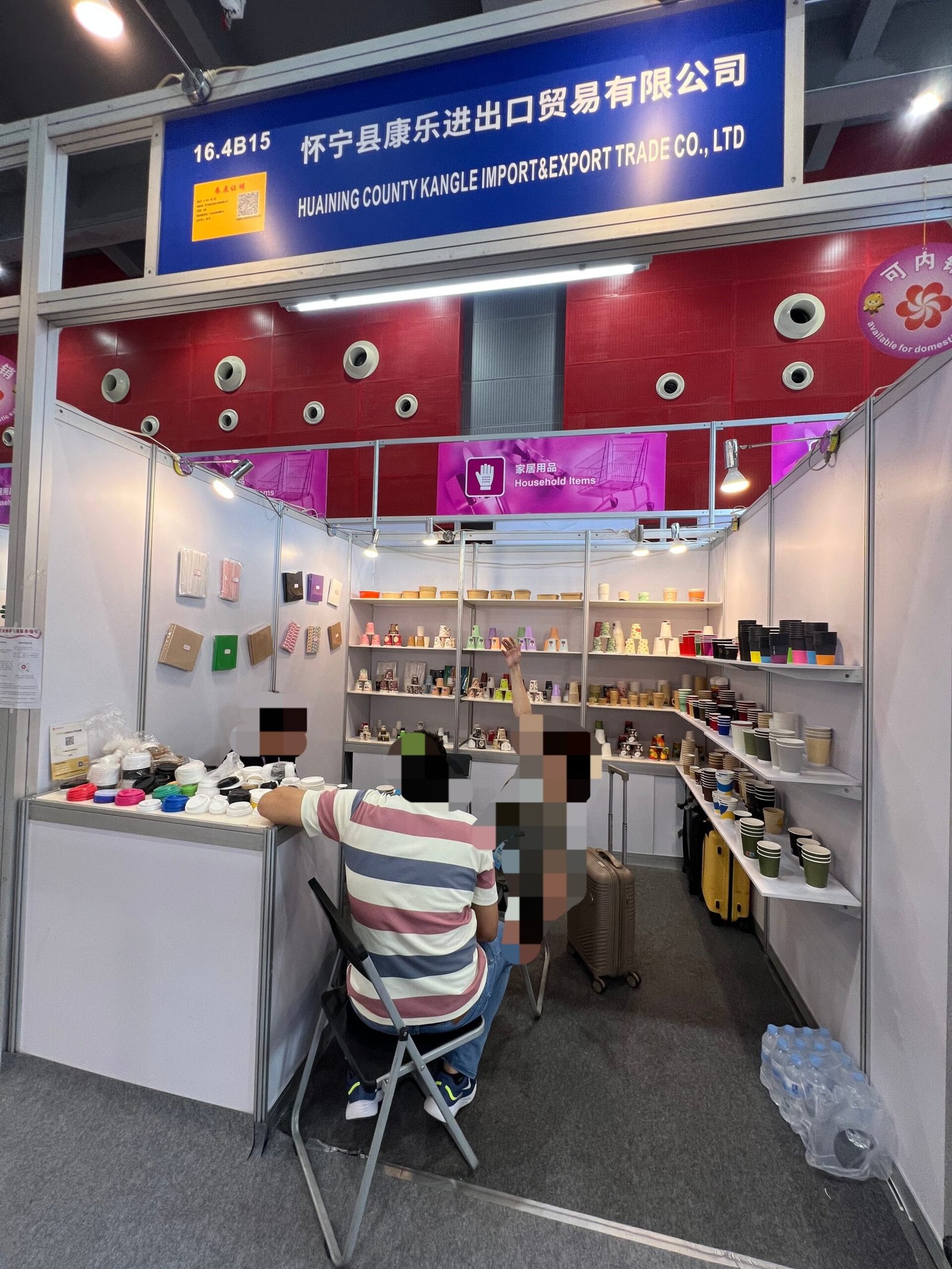
Huaining Shengshi Kangle Paper and Plastic Co., Ltd. manufactures paper cups, paper bowls, soup containers and matching lids from our base in Anqing, Anhui Province, China, supplying importers, distributors and foodservice chains in North America, Europe, Australia and the Middle East.
- SKU-level grammage and material composition data for EPR reporting
- Water-based, PFAS-free barrier options for repulpable fibre bodies
- Fibre, CPLA and plastic lid platforms to simplify material reporting
- Certificate details supplied with quotation, not months later
Send us the states you sell into and the SKUs you carry, and we will prepare the data pack your compliance team needs.
Frequently asked questions
Does US packaging EPR apply to a Chinese manufacturer?
Usually the obligation falls on the entity that places the packaged product on the state market — typically the brand owner or importer, not the overseas factory. The manufacturer’s role is to supply accurate material, weight and certification data. That said, suppliers are increasingly asked to contract for data accuracy, because the importer’s fee depends on it.
Are paper cups covered by these programmes?
Foodservice packaging, including paper cups, bowls and lids, generally falls within the packaging categories covered by state EPR programmes. Exact scope, exemptions and fee categories differ by state, so the specification should be checked against the specific programme rather than assumed.
Will a recyclable cup automatically lower my fee?
Not automatically. Eco-modulation rewards attributes that the programme recognises—typically recyclability, recycled content or certified compostability—but the criteria and weightings vary. A repulpable coating can help where the scheme credits fibre recyclability; an unverified claim will not.
Should we wait for the Oregon appeal before preparing?
No. Producers have been registering and reporting while the litigation proceeds, and other states are building their own programmes independently. Preparing SKU-level data now is useful regardless of how the appeal is decided, because the same data supports customer questionnaires, retailer audits and EU compliance work.
Sources and further reading
- Plastics News, Lollicup Oregon EPR lawsuit on hold as appeals court weighs NAW case, 15 October 2026.
- Yahoo Finance, Packaging EPR: who pays across the fresh produce supply chain?, 16 October 2026.
- Packaging Dive, Oregon EPR law doesn’t violate Constitution, judge rules, 28 August 2026.
- Hogan Lovells, Permanent Regulations for California’s Extended Producer Responsibility Law (SB 54) Take Effect, 8 May 2026.
- Ropes & Gray, California EPR Update – SB 54 Regulations Approved and in Effect; Producer Registration Required by June 1, 3 May 2026.
- Packaging Dive, California EPR program budget expected to exceed $9B in next 5 years, 16 June 2026.
- Waste Dive, Washington taps Circular Action Alliance as PRO for packaging EPR, 5 March 2026.
- Resource Recycling, No bidders respond to Maine’s EPR RFP, 20 August 2026.
- Packaging Insights, Fragmented EPR rules push industry toward collaboration, 10 June 2026.